


Robotic Vacuum Batteries: The “Enduring Power Source” for Smart Cleaning Devices
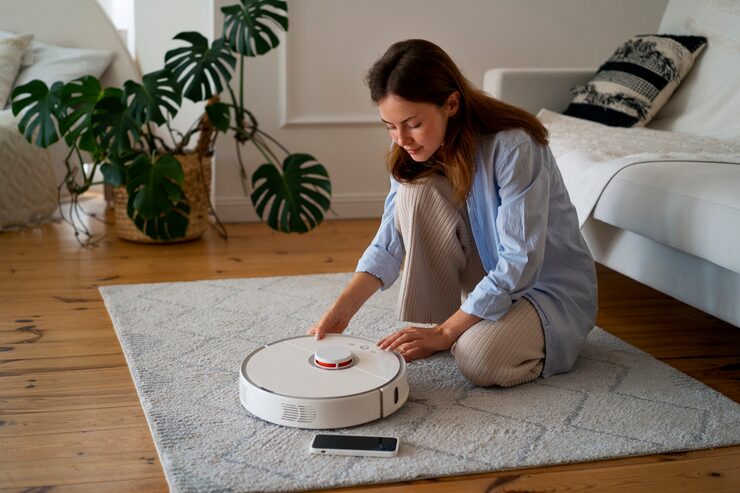
In the realm of domestic and commercial cleaning, robotic vacuums are evolving from auxiliary tools to the core executors of automated cleaning systems. The batteries that power these intelligent devices directly determine their operational coverage and cleaning efficiency. Professional robotic batteries are not merely energy storage units but integral components of intelligent cleaning solutions.
Technical Requirements for High-Performance Batteries
Modern robotic vacuum batteries must overcome three major technical challenges: high-rate discharge capability to support strong suction power in deep-cleaning modes, fast-charging technology ensuring minimal downtime between operations, and intelligent cycle management systems extending effective battery lifespan. Test data shows that battery packs utilizing power-type cells can increase single-session cleaning coverage by 35% while maintaining over 85% capacity after 500 complete charge-discharge cycles.
Dual-Layer Safety Design
We implement aerospace-grade BMS protection solutions featuring quadruple safeguards against overcharge, over-discharge, overcurrent, and overtemperature. Combined with flame-retardant casing design, this achieves a zero-safety-incident record during charging and discharging processes. For different cleaning scenarios, we offer two standardized solutions: regular version (2000mAh) and extended-range version (3200mAh), compatible with installation interfaces of over 98% mainstream models.
Intelligent Management Innovations
The new generation battery modules integrate voltage self-calibration chips that monitor battery health status in real-time. Through companion apps, users can view remaining cycle predictions and performance degradation curves. After adopting our intelligent battery solution, a commercial cleaning service provider reported a 42% reduction in monthly equipment failure rates and a 28% decrease in annual maintenance costs.
As cleaning robots evolve toward full smart-home integration, battery technology is transitioning from passive power supply to active energy management. Through modular design, our battery systems enable collaborative optimization with device navigation algorithms, enhancing cleaning efficiency while achieving intelligent energy allocation—propelling cleaning robots toward true autonomous evolution.