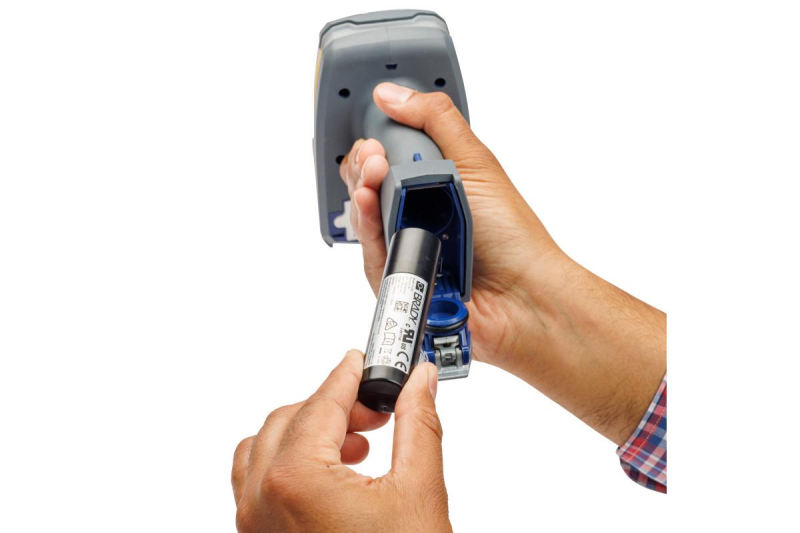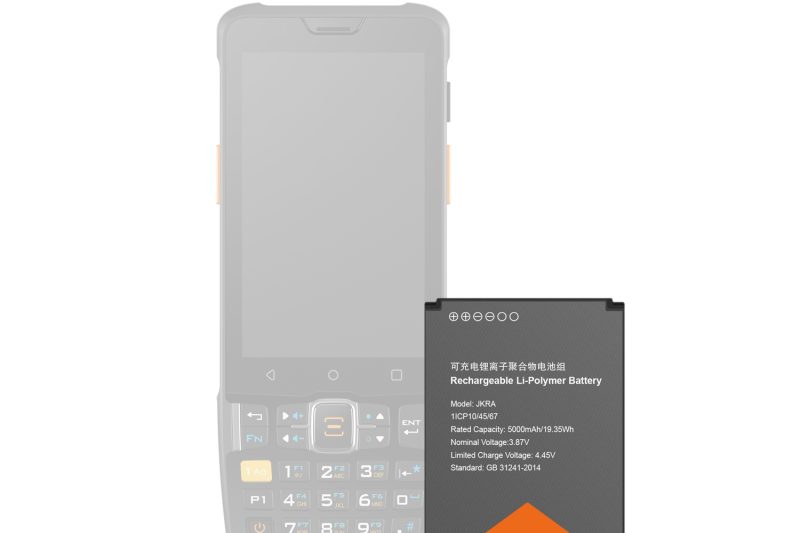


How Battery Capacity Affects Barcode Scanner Performance
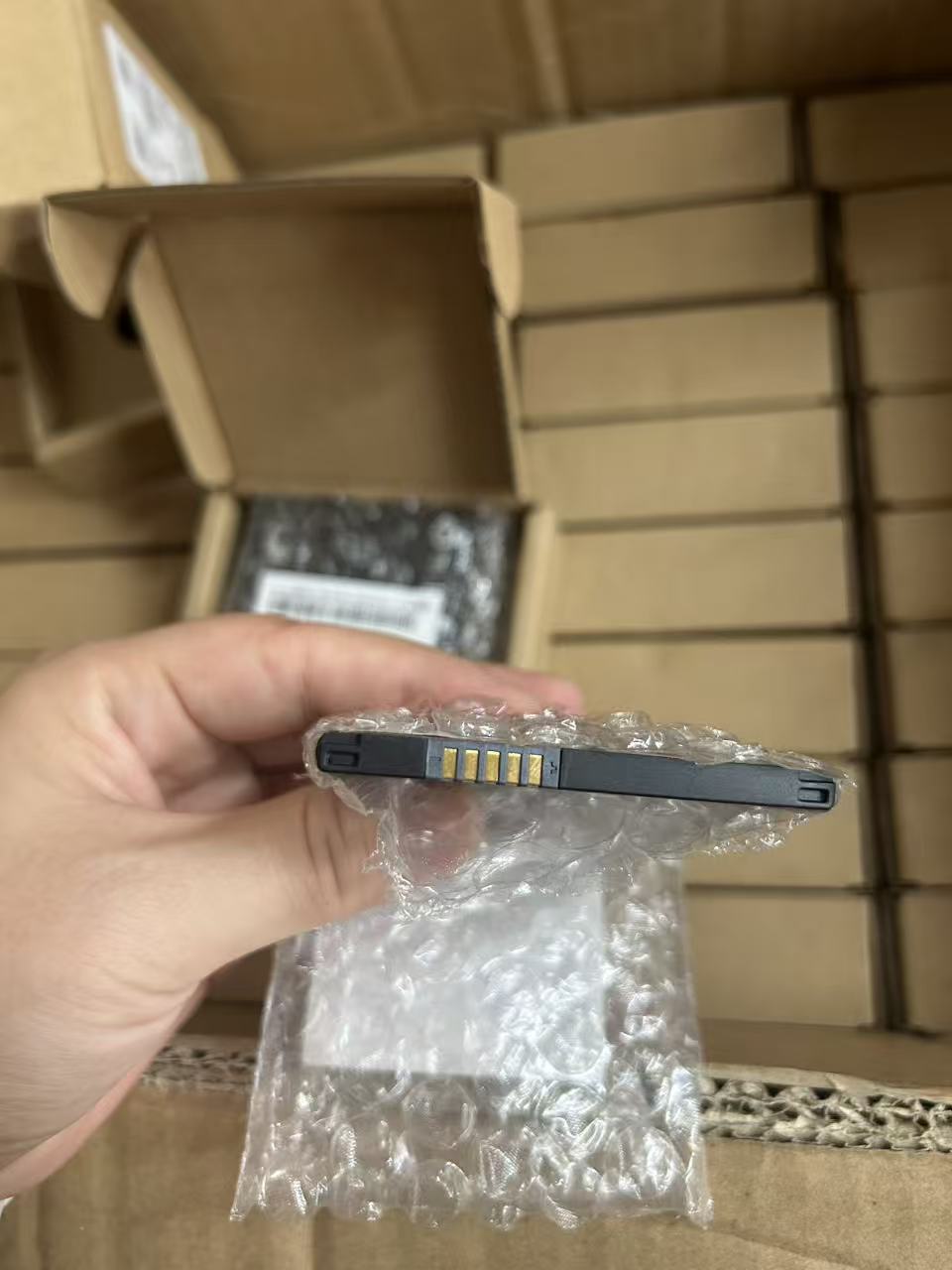
Battery capacity is one of the first specifications people check when purchasing a replacement battery for a barcode scanner.
However, a higher mAh number does not always mean better performance.
For industrial handheld devices, real-world battery performance depends on multiple factors, including battery quality, voltage stability, device power consumption, and application environment.
Understanding these factors helps businesses choose the right battery solution and avoid performance issues after installation.
What Does Battery Capacity Actually Mean?
Battery capacity is usually measured in mAh (milliamp hours), which indicates how much energy a battery can store.
In simple terms, a higher capacity battery can generally provide longer operating time under the same conditions.
However, the actual runtime of a barcode scanner is influenced by:
- Device power consumption
- Scanning frequency
- Screen usage
- Wireless communication
- Working environment
- Battery condition
This means two batteries with similar specifications may deliver different results in daily use.
Why Higher Capacity Does Not Always Mean Better
Many buyers assume that choosing the highest capacity battery is always the best option.
In reality, compatibility is equally important.
A suitable barcode scanner battery needs to match:
Voltage Requirements
Industrial handheld devices are designed to operate within specific voltage ranges.
Incorrect voltage specifications may affect device stability and performance.
Physical Dimensions
The battery must fit properly inside the device.
A larger capacity battery is not useful if it cannot provide a secure installation.
Connector Compatibility
Different scanner models may use different connectors and battery communication systems.
Proper compatibility ensures reliable operation.
The Importance of Real Capacity Testing
Battery labels show specifications, but testing determines actual performance.
Professional battery suppliers typically evaluate:
- Actual capacity output
- Charging performance
- Discharge stability
- Cycle life
- Safety protection
Real capacity testing helps prevent situations where a battery appears suitable but provides shorter runtime in actual applications.
Battery Performance in Different Working Environments
Barcode scanners are used in many industries, and each environment creates different battery requirements.
Warehousing and Logistics
Devices may operate continuously for long shifts.
Key requirements:
- Stable runtime
- Reliable charging performance
- High cycle durability
Retail Operations
Scanners may be used frequently throughout the day.
Important factors:
- Quick charging capability
- Consistent daily performance
Outdoor or Industrial Applications
Devices may face temperature changes and demanding conditions.
Battery quality and protection become especially important.
Choosing the Right Battery Is About Balance
For professional users, the goal is not simply selecting the highest capacity option.
A better approach is balancing:
- Capacity
- Compatibility
- Safety
- Reliability
- Cost efficiency
The right battery should provide stable performance throughout the device lifecycle.
Conclusion
Battery capacity is an important factor in barcode scanner performance, but it is only one part of the complete solution.
A reliable battery needs the right specifications, stable quality, and compatibility with the device application.
For companies managing barcode scanners at scale, choosing the correct battery solution can improve productivity, reduce maintenance requirements, and extend equipment value.
About Our Barcode Scanner Battery Solutions
Leyoch provides replacement batteries for barcode scanners, PDA devices, and POS terminals.
We support businesses with:
- Compatible battery solutions for multiple models
- Stable production quality
- Technical support for device applications
- Flexible supply options for distributors and repair companies
Contact us to discuss your barcode scanner battery requirements.How Battery Capacity Affects Barcode Scanner Performance
Introduction
Battery capacity is one of the first specifications people check when purchasing a replacement battery for a barcode scanner.
However, a higher mAh number does not always mean better performance.
For industrial handheld devices, real-world battery performance depends on multiple factors, including battery quality, voltage stability, device power consumption, and application environment.
Understanding these factors helps businesses choose the right battery solution and avoid performance issues after installation.
What Does Battery Capacity Actually Mean?
Battery capacity is usually measured in mAh (milliamp hours), which indicates how much energy a battery can store.
In simple terms, a higher capacity battery can generally provide longer operating time under the same conditions.
However, the actual runtime of a barcode scanner is influenced by:
Device power consumption
Scanning frequency
Screen usage
Wireless communication
Working environment
Battery condition
This means two batteries with similar specifications may deliver different results in daily use.
Why Higher Capacity Does Not Always Mean Better
Many buyers assume that choosing the highest capacity battery is always the best option.
In reality, compatibility is equally important.
A suitable barcode scanner battery needs to match:
Voltage Requirements
Industrial handheld devices are designed to operate within specific voltage ranges.
Incorrect voltage specifications may affect device stability and performance.
Physical Dimensions
The battery must fit properly inside the device.
A larger capacity battery is not useful if it cannot provide a secure installation.
Connector Compatibility
Different scanner models may use different connectors and battery communication systems.
Proper compatibility ensures reliable operation.
The Importance of Real Capacity Testing
Battery labels show specifications, but testing determines actual performance.
Professional battery suppliers typically evaluate:
Actual capacity output
Charging performance
Discharge stability
Cycle life
Safety protection
Real capacity testing helps prevent situations where a battery appears suitable but provides shorter runtime in actual applications.
Battery Performance in Different Working Environments
Barcode scanners are used in many industries, and each environment creates different battery requirements.
Warehousing and Logistics
Devices may operate continuously for long shifts.
Key requirements:
Stable runtime
Reliable charging performance
High cycle durability
Retail Operations
Scanners may be used frequently throughout the day.
Important factors:
Quick charging capability
Consistent daily performance
Outdoor or Industrial Applications
Devices may face temperature changes and demanding conditions.
Battery quality and protection become especially important.
Choosing the Right Battery Is About Balance
For professional users, the goal is not simply selecting the highest capacity option.
A better approach is balancing:
Capacity
Compatibility
Safety
Reliability
Cost efficiency
The right battery should provide stable performance throughout the device lifecycle.
Conclusion
Battery capacity is an important factor in barcode scanner performance, but it is only one part of the complete solution.
A reliable battery needs the right specifications, stable quality, and compatibility with the device application.
For companies managing barcode scanners at scale, choosing the correct battery solution can improve productivity, reduce maintenance requirements, and extend equipment value.
About Our Barcode Scanner Battery Solutions
Leyoch provides replacement batteries for barcode scanners, PDA devices, and POS terminals.
We support businesses with:
Compatible battery solutions for multiple models
Stable production quality
Technical support for device applications
Flexible supply options for distributors and repair companies
Contact us to discuss your barcode scanner battery requirements.