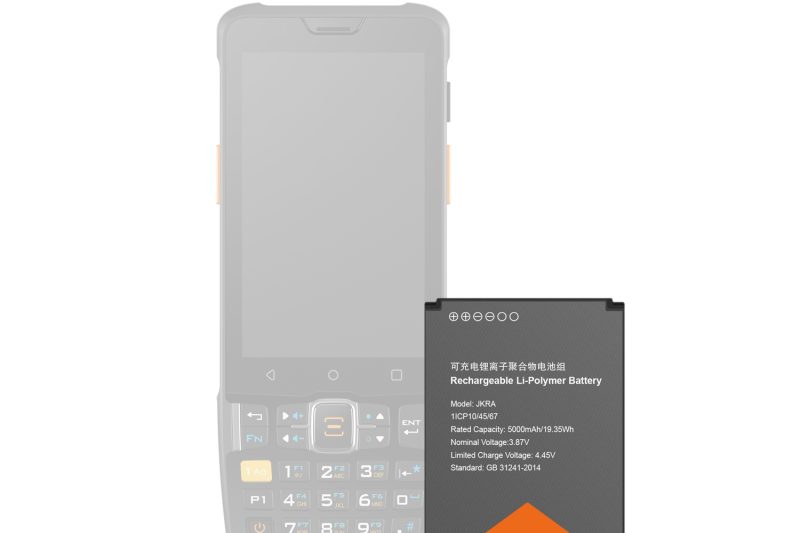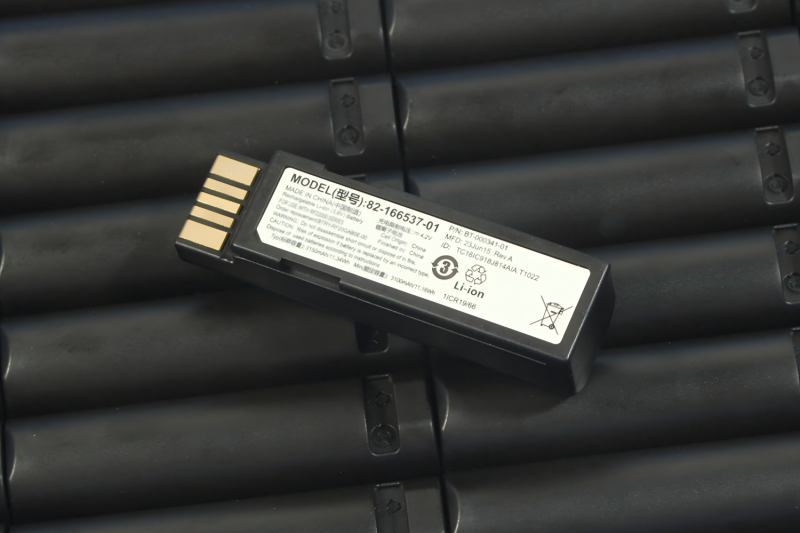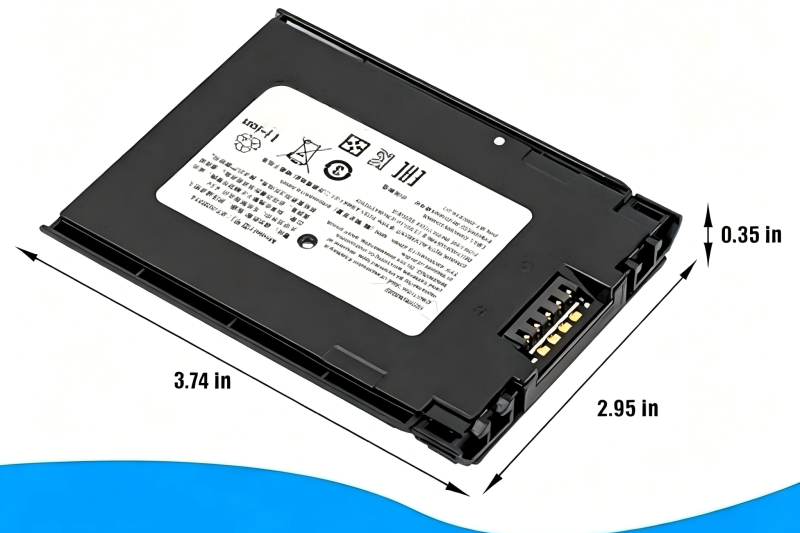


How to Store Barcode Scanner Batteries Properly for Longer Lifespan

Lithium Battery Storage Standards for Barcode Scanners and Handheld Terminals
Proper battery storage plays an important role in maintaining the performance of barcode scanners and handheld POS devices.
Many users focus only on charging and daily usage. However, storage conditions can also affect battery lifespan, charging stability, and long-term reliability.
For warehouses, repair centers, distributors, and retail businesses, proper battery management helps reduce unnecessary replacement costs and device downtime.
Why Proper Battery Storage Matters
Lithium-ion batteries naturally lose performance over time. Still, incorrect storage conditions can speed up this process significantly.
For example, batteries stored in high-temperature environments may experience:
- Faster capacity loss
- Voltage instability
- Shorter runtime
- Charging problems
In many cases, batteries that stay unused for several months without proper storage maintenance perform poorly once installed.
Because of this, storage management is just as important as daily charging habits.
Recommended Storage Temperature for Barcode Scanner Batteries
Temperature is one of the biggest factors affecting lithium battery condition.
For most barcode scanner batteries and POS handheld batteries, a moderate storage environment is recommended.
Ideal conditions include:
- Dry environment
- Good ventilation
- Stable room temperature
- No direct sunlight exposure
Extreme heat may accelerate battery aging, while excessive cold can temporarily affect battery performance and charging behavior.
Warehouse operators should also avoid storing batteries near machines that generate heat continuously.
Should Batteries Be Fully Charged Before Storage?
This is a common question among POS device users and distributors.
In reality, storing lithium batteries at full charge for long periods is usually not recommended.
A moderate charge level is generally better for long-term storage because it reduces internal battery stress.
At the same time, batteries should not remain fully discharged for extended periods either.
Common Battery Storage Mistakes
In real warehouse and maintenance environments, several storage problems appear frequently.
Leaving batteries unused for too long
Batteries stored for long periods without inspection may enter deep discharge condition.
Exposure to high temperatures
Heat is one of the main reasons lithium batteries lose stability over time.
Poor inventory rotation
Older stock may remain unused while newer batteries are shipped first, causing inconsistent inventory quality.
Humid storage environments
Moisture may affect battery contacts and external protection materials.
How Often Should Stored Batteries Be Checked?
For long-term inventory storage, periodic inspection is recommended.
Simple checks may include:
- Battery appearance
- Voltage condition
- Charging response
- Signs of swelling or abnormal heat
Regular inspection helps reduce the risk of battery failure after long storage periods.
Signs of Battery Damage During Storage
A barcode scanner battery affected by poor storage conditions may show several warning signs.
These may include:
- Fast battery drain
- Unstable charging
- Incorrect battery percentage display
- Unexpected device shutdown
- Battery swelling
If physical deformation or overheating is observed, the battery should no longer be used.
Best Practices for Long-Term Battery Storage
To improve long-term battery performance, several simple practices can help.
Recommended storage practices:
- Store batteries in moderate temperatures
- Keep storage areas dry and ventilated
- Avoid direct sunlight exposure
- Inspect inventory regularly
- Rotate battery stock periodically
- Use compatible chargers when maintenance charging is required
Good storage management helps improve battery consistency and reduce replacement frequency.
Battery Storage Is Important for Inventory Management
For businesses managing large quantities of barcode scanner batteries, proper storage directly affects product reliability and customer experience.
Poor storage conditions may lead to:
- Increased return rates
- Battery instability
- Reduced product lifespan
- Customer complaints
Because of this, many distributors now include battery storage management as part of standard warehouse procedures.
Final Thoughts
Battery performance depends on more than daily usage alone.
Proper storage conditions can help maintain lithium battery stability, improve long-term performance, and reduce unnecessary replacement costs for barcode scanner and POS devices.
For businesses working with handheld terminals and scanner batteries regularly, good storage management is an important part of long-term equipment maintenance.